


The Future of Mechanical Engineering
The Future of Mechanical Engineering
The mechanical engineering industry has always been at the forefront of innovation, from the development of steam engines to the creation of sophisticated robotics. However, with the rapid advancement of emerging technologies like artificial intelligence (AI), blockchain, and the Internet of Things (IoT), the industry is on the cusp of a revolution. In this article, we'll explore how these technologies are transforming mechanical engineering and what the future holds for this exciting field.
The Rise of AI in Mechanical Engineering
Artificial intelligence has been making waves in various industries, and mechanical engineering is no exception. AI algorithms can analyze vast amounts of data, identify patterns, and make predictions, making them an invaluable tool for mechanical engineers. According to a report by McKinsey, "AI has the potential to increase productivity in the manufacturing sector by up to 40%."
One of the most significant applications of AI in mechanical engineering is in design and simulation. AI-powered tools can help engineers create complex designs, simulate performance, and optimize systems. For instance, AI can be used to design more efficient HVAC systems, simulate the behavior of complex mechanical systems, and optimize the performance of industrial equipment.
"AI is not just a tool, it's a partner that can help us create better designs, improve performance, and reduce costs," says Dr. Maria Gini, a professor of computer science and engineering at the University of Minnesota.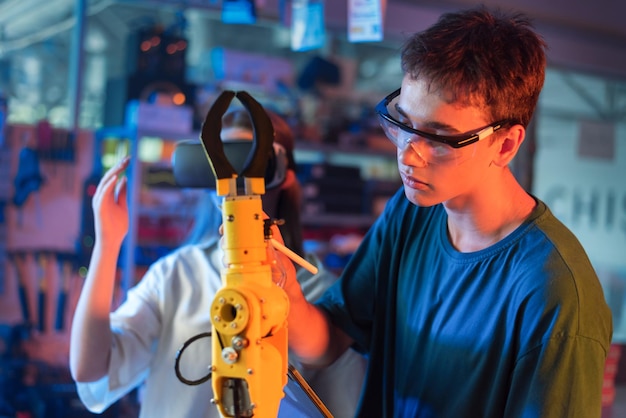
The Role of Blockchain in Mechanical Engineering
Blockchain technology has been gaining traction in various industries, and mechanical engineering is no exception. Blockchain is a decentralized, digital ledger that records transactions and ensures the integrity and security of data. In mechanical engineering, blockchain can be used to create secure and transparent supply chains.
One of the most significant applications of blockchain in mechanical engineering is in the creation of digital twins. A digital twin is a virtual replica of a physical asset, such as a machine or a system. Blockchain can be used to create secure and transparent digital twins, allowing engineers to track the performance and maintenance of physical assets in real-time.
The Impact of IoT on Mechanical Engineering
The Internet of Things (IoT) has been transforming various industries, and mechanical engineering is no exception. IoT refers to the network of physical devices, vehicles, and other items that are embedded with sensors, software, and connectivity, allowing them to collect and exchange data. In mechanical engineering, IoT can be used to create smart machines and systems that can communicate with each other and with humans.
One of the most significant applications of IoT in mechanical engineering is in predictive maintenance. IoT sensors can be used to monitor the performance of machines and systems, predict maintenance needs, and prevent downtime. According to a report by GE Digital, "predictive maintenance can reduce downtime by up to 50% and increase productivity by up to 25%."
The Future of Mechanical Engineering
So, what does the future hold for mechanical engineering? With the rapid advancement of emerging technologies like AI, blockchain, and IoT, the industry is on the cusp of a revolution. Here are some potential trends and developments that could shape the future of mechanical engineering:
- Increased use of AI and machine learning in design and simulation
- Growing adoption of blockchain in supply chain management and digital twins
- Widespread use of IoT in predictive maintenance and smart machines
- Development of new materials and technologies, such as nanotechnology and 3D printing
- Increased focus on sustainability and environmental impact
Some of the potential job titles that could emerge in the future of mechanical engineering include:
- AI/ML engineer
- Blockchain developer
- IoT specialist
- Digital twin engineer
- Sustainability engineer
The Psychology of Risk and Reward
The concept of risk and reward is a fundamental aspect of mechanical engineering, where designers and engineers must weigh the potential benefits of a new design or technology against the potential risks and costs. However, this concept is not unique to engineering and can be applied to many other areas of life, including entertainment. For example, the thrill of playing games of chance can be attributed to the same psychological principles that drive engineers to push the boundaries of innovation. When we take a risk and spin the reels at Sugar Paradise slot online (FuGaSo), our brains are responding to the same dopamine release that engineers experience when they successfully test a new prototype. This rush of excitement is what makes risk-taking so appealing, and it's what drives us to continue pushing the limits of what's possible, whether in engineering or in entertainment. By understanding the psychology of risk and reward, we can better appreciate the intricacies of human behavior and the many ways in which it influences our decisions.
Preparing for the Future
So, how can mechanical engineers prepare for the future? Here are some skills and knowledge areas that could be essential:
- Programming skills in languages like Python, Java, and C
- Knowledge of AI and machine learning algorithms
- Understanding of blockchain technology and its applications
- Familiarity with IoT devices and sensors
- Knowledge of data analytics and visualization tools
- Understanding of sustainability and environmental impact
In conclusion, the future of mechanical engineering is exciting and full of possibilities. With the rapid advancement of emerging technologies like AI, blockchain, and IoT, the industry is on the cusp of a revolution. By understanding these technologies and developing the necessary skills and knowledge, mechanical engineers can prepare for the future and thrive in this exciting field.
Some of the key benefits of emerging technologies in mechanical engineering include:
- Improved efficiency and productivity
- Increased accuracy and precision
- Enhanced safety and security
- Reduced costs and downtime
- Improved sustainability and environmental impact
Here are some potential applications of emerging technologies in mechanical engineering:
- Design and simulation
- Predictive maintenance
- Supply chain management
- Digital twins
- Smart machines and systems
Here are some potential challenges and limitations of emerging technologies in mechanical engineering:
- Complexity and cost
- Data security and privacy
- Interoperability and compatibility
- Regulatory and standards issues
- Workforce development and training
Here are some potential research areas in mechanical engineering:
- Development of new materials and technologies
- Improvement of AI and machine learning algorithms
- Advancement of blockchain technology
- Development of IoT devices and sensors
- Investigation of sustainability and environmental impact
Here is a bulleted list of some of the key takeaways from this article:
- AI can increase productivity in the manufacturing sector by up to 40%
- Blockchain can create secure and transparent supply chains
- IoT can reduce downtime by up to 50% and increase productivity by up to 25%
- Emerging technologies can improve efficiency, accuracy, and safety in mechanical engineering
- Mechanical engineers need to develop skills and knowledge in AI, blockchain, IoT, and data analytics to prepare for the future.